
SubwooferRoom Acoustics
Subwoofer Crawl 101: What It Is and How It Works
The subwoofer crawl is the easy, free fix for boomy bass: swap the sub with your ears to find its best spot. A 30-minute guide that can cut a 10dB peak.
5 min read
Loading...
Speakers are the foundation of your home theater's sound. The guides below cover every speaker type, from the most important (your center channel) to the most fun (Atmos height speakers). Each guide includes specific product recommendations at multiple price points and placement instructions backed by Dolby and THX specifications.
Check if your AVR has enough real-world power for your speakers
Get the right wire gauge for your speaker runs
Find problem bass frequencies for subwoofer placement
Find an AVR that matches your speaker requirements
Validate speaker and AVR compatibility
The subwoofer crawl is the easy, free fix for boomy bass: swap the sub with your ears to find its best spot. A 30-minute guide that can cut a 10dB peak.

Pod Race for bass. Hoth for surround. The Rogue One Vader hallway for everything at once. Five Star Wars scenes that test your home theater.

Infinity Vision needs 50-ft screens + Dolby 7.1. IMAX hits 100 ft at 22 fL. Dolby Cinema: 32 fL, 1M:1 contrast. Premium format picks for 2026.

Infinity Vision sets a 50-ft + Dolby 7.1 floor. Acoustically transparent LED walls arrive. 5 CinemaCon 2026 trends reaching home in 2026-27.

Sony's 2026 Bravia Theater lineup costs about $2,200 fully loaded. The Bar 7 ($870) has 360 Spatial Sound Mapping, the Sub 9 adds dual-sub pairing, and the Rear 9 finally delivers real overhead Atmos. Here's how it compares to a traditional AVR setup at the same price.

Dolby Atmos wins on content library. DTS:X wins on technical flexibility. IMAX Enhanced is a marketing certification. Here is what each format actually is, which AVRs decode them, and why you should stop overthinking it.

FlexConnect lets you place wireless Atmos speakers anywhere and auto-calibrates their output. It only works with LG Sound Suite hardware and compatible TVs. Here's what it does, what it costs, and whether it's worth the ecosystem lock-in.

The SVS PB-2000 Pro is still the sweet spot at $900. The new SVS R|Evolution 3000 series makes the $600 tier competitive for the first time. Here's every tier from $200 to $2,000, matched to your room volume in cubic feet.

Three wireless surround ecosystems shipped in 2026: Dolby Atmos FlexConnect (LG), Sony 360 SSM, and Samsung Q-Symphony. We rank them on audio quality, setup flexibility, latency, and total cost. Plus the best wired alternatives at each price points.
![Klipsch Reference vs Premiere: Differences and Picks [2026]](/images/blog/klipsch-speakers-guide.svg?dpl=dpl_A7yvEusbtVmAimLWJZTA31x7Ag82)
R-600F ($350/pair) is fine. RP-6000F II ($550/pair) is where it gets good. A no-BS breakdown of which Klipsch line is worth your money.

Tall speaker stands, tension pole mounts, and furniture-top placement give renters real Atmos height channels without ceiling holes. Specific stands, speakers (Polk OWM3 at $100/pair, Micca RB42 at $80/pair), and AVRs (Denon AVR-S760H, Yamaha RX-V6A) with setup tips for 5.1.2 in an apartment.

Going from 5.1 to 5.1.2 is the single biggest upgrade in home theater immersion. 5.1.2 to 7.1.4 is a much smaller jump. Here is when each Atmos tier is worth the money, which AVRs you need, and how room size determines the right channel count.

Practical cable management for every home theater setup. Paintable raceways, flat speaker wire, banana plugs, and wireless alternatives with specific products and prices.

Your AVR's preamp section isn't the bottleneck you think it is. A Marantz Cinema 50 ($1,500) with KEF R3 Meta towers ($2,200/pair) as mains delivers audiophile-grade stereo AND reference surround. Here's how to build a system that satisfies both obsessions.

The SVS PB-3000 ($1,400) hits 17Hz at reference level in a 2,500 cubic foot room. The PB-4000 ($2,200) hits 15Hz and adds 3dB of headroom. That's an $800 difference for 2Hz and a bit more slam. Here's when the upgrade is worth it and when it's not.

The Samsung HW-Q990D ($1,400) is the closest a soundbar system has come to real 7.1.4 Atmos. Wireless rear speakers, a 10-inch sub, and actual height channels that work. But for the same $1,400 you could build a proper 5.1.2 that sounds better. Here's the honest breakdown.

After three months switching between a dedicated 2.0 stereo setup (KEF LS50 Meta, $1,600) and a 7.1 surround system for music listening, stereo wins for critical listening and it's not a debate. But surround has one trick that changes everything for casual listening.

Dolby Atmos has more content, better streaming support, and wider device adoption. DTS:X sounds identical in blind tests and doesn't require licensing fees for speaker placement. Both decode on every modern AVR. The real winner is whichever format your Blu-ray has. Here's what actually matters.

Playing a YouTube '5.1 test' video doesn't test your surround sound. It tests stereo playback. Real surround testing requires specific test tones from your AVR, a Dolby Atmos demo disc, or the right streaming content. Here's the step-by-step that actually works.

A Bose Lifestyle 650 costs $3,000 for tiny cube speakers and a bass module with no user-accessible crossover. A Denon AVR-S760H ($350) with Emotiva B1+ speakers ($460) and an SVS PB-1000 Pro ($600) costs $1,500 and sounds dramatically better. Here's why Bose keeps selling anyway.

The subwoofer crawl found a better position than the corner in 4 out of 5 rooms tested. Average improvement: 6dB smoother response at the listening position. One room's best spot was behind the couch. Real measurements from real rooms with REW graphs.

An LG C4 OLED, a Denon AVR-X1800H, and a 5.1.2 Atmos layout handles PS5 Pro at 4K120 and movie night with reference-quality audio. Here's the single-room build at three budgets that doesn't force you to choose.

The JBL Bar 1300X ($1,700) wireless surrounds work but sound thin. The Sonos Arc + Era 300 system ($2,100) is better but still can't match wired 5.1 at half the price. WiSA-based systems like the Platin Monaco 5.1.2 ($1,100) are the closest to real wireless surround. Here's the honest breakdown.

Netflix Atmos is Dolby Digital Plus at 768 kbps. The same movie on Blu-ray is Dolby TrueHD at up to 18,000 kbps. That's a 24x bitrate difference. Most people can hear it on a decent system. Here's exactly what you're missing and whether it matters for your setup.

A Sonos Arc Ultra costs $900. A Denon AVR-S670H ($250) plus a pair of Emotiva B1+ ($230) plus an RSL Speedwoofer 10S ($400) costs $880 and demolishes it on every measurable metric. We ran the numbers.

KEF LS50 Wireless II ($2,800/pair) vs KEF LS50 Meta ($1,600/pair) plus a Denon AVR-S760H ($350). Same driver, same brand, wildly different philosophies. Powered speakers are taking over desktops and small rooms. Passive still owns home theater. Here's where the line is.

One SVS PB-2000 Pro in a 2,000 cubic foot room had a 12dB null at 63Hz from the primary seat. Adding a second PB-2000 Pro on the opposite wall filled the null and smoothed response to within 3dB from 20-120Hz. The measurements tell the whole story.

The Sony HT-A9 II ($2,000) uses four wireless speakers and room mapping to simulate 7.1.4 Atmos from arbitrary placement. It sounds surprisingly good in rooms where traditional speaker placement is impossible. But a $1,500 wired 5.1.2 still wins in a proper setup. Here's the honest comparison.
A 14x20x8 room creates axial modes at 40 Hz, 47 Hz, and 70 Hz that shape your bass more than any speaker upgrade. Room acoustics explained through real measurements, with treatment solutions that actually work.

Atmos puts sound above you using ceiling speakers or height modules. A Denon AVR-S670H plus two Polk RC80i ceiling speakers gets you started for under $500. What Atmos requires and whether it is worth adding.

Bookshelves win on sound per dollar. KEF Ci160QS is the in-wall to beat. Micca M-8C is the budget Atmos ceiling pick. Which speaker type fits each channel, with specific models at every price.

Impedance mismatch can fry your AVR. Underpowered channels clip and damage tweeters. The 3 specs to check (impedance, ACD watts, sensitivity) plus how room correction tiers affect which receiver you need.
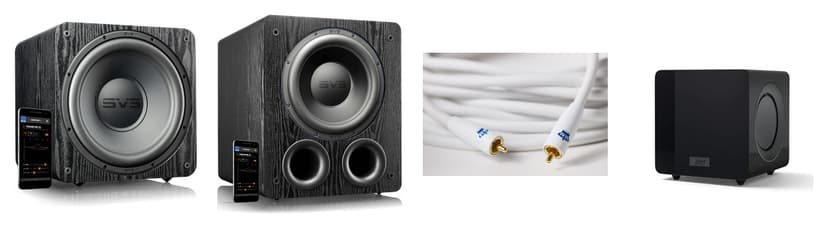
SVS PB-2000 Pro is the sweet spot for most rooms. RSL Speedwoofer 12S wins under $800. Ported vs sealed by room size, the subwoofer crawl for placement, and why your sub matters more than your speakers.
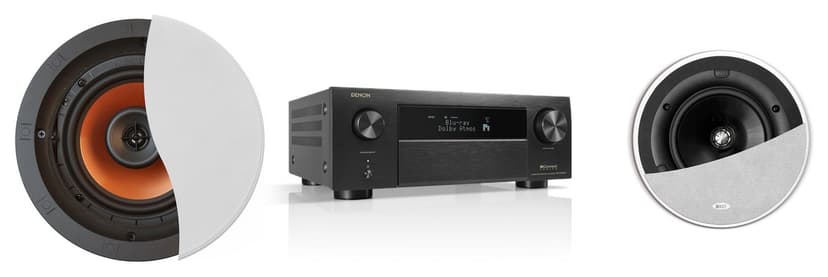
In-ceiling speakers like the Polk RC80i beat upfiring modules every time. Exact placement angles for 5.1.2, 5.1.4, and 7.1.4 Atmos layouts, plus the setup mistakes that make Atmos sound worse than plain 5.1.
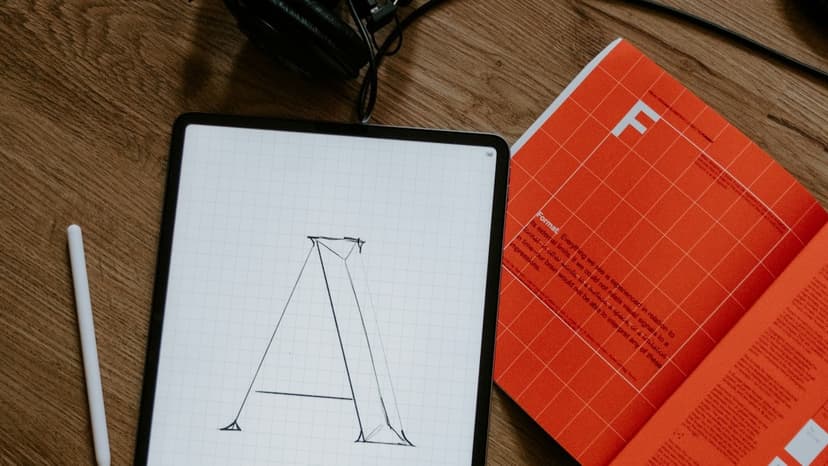
Surrounds go at 110-120 degrees, not behind you. Exact angles, heights, and distances for every speaker in a 5.1 or 7.1 layout, plus workarounds when your room forces compromises.
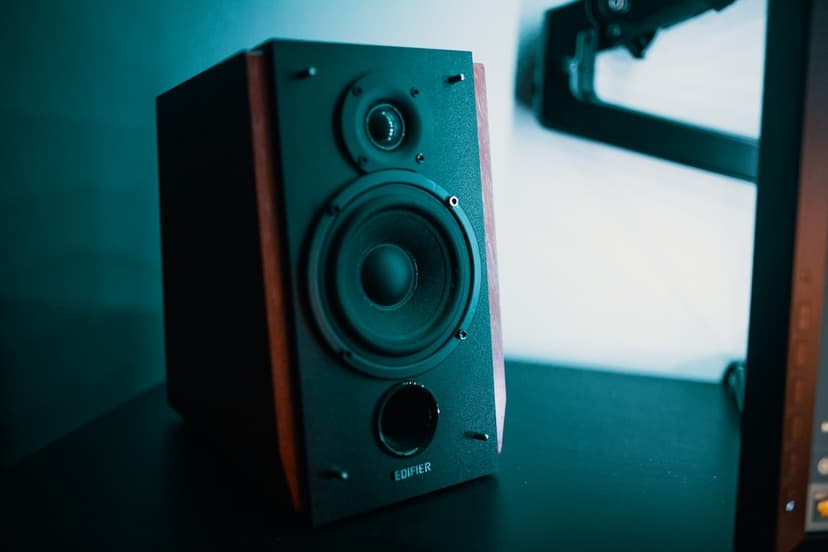
KEF Q250c for most setups, Emotiva C1+ on a budget, Klipsch RP-504C II for large rooms. The center handles 60-70% of a movie's audio. Why timbre matching matters and the best centers at $150 to $1,000.

ButtKicker bass shakers replace subwoofer rumble, Audyssey Dynamic EQ boosts bass at low volumes, and sealed subs leak less than ported. Apartment-friendly gear picks and settings that actually work.