Projector or TV for Home Theater? One Clear Answer for Most Rooms, what we recommend
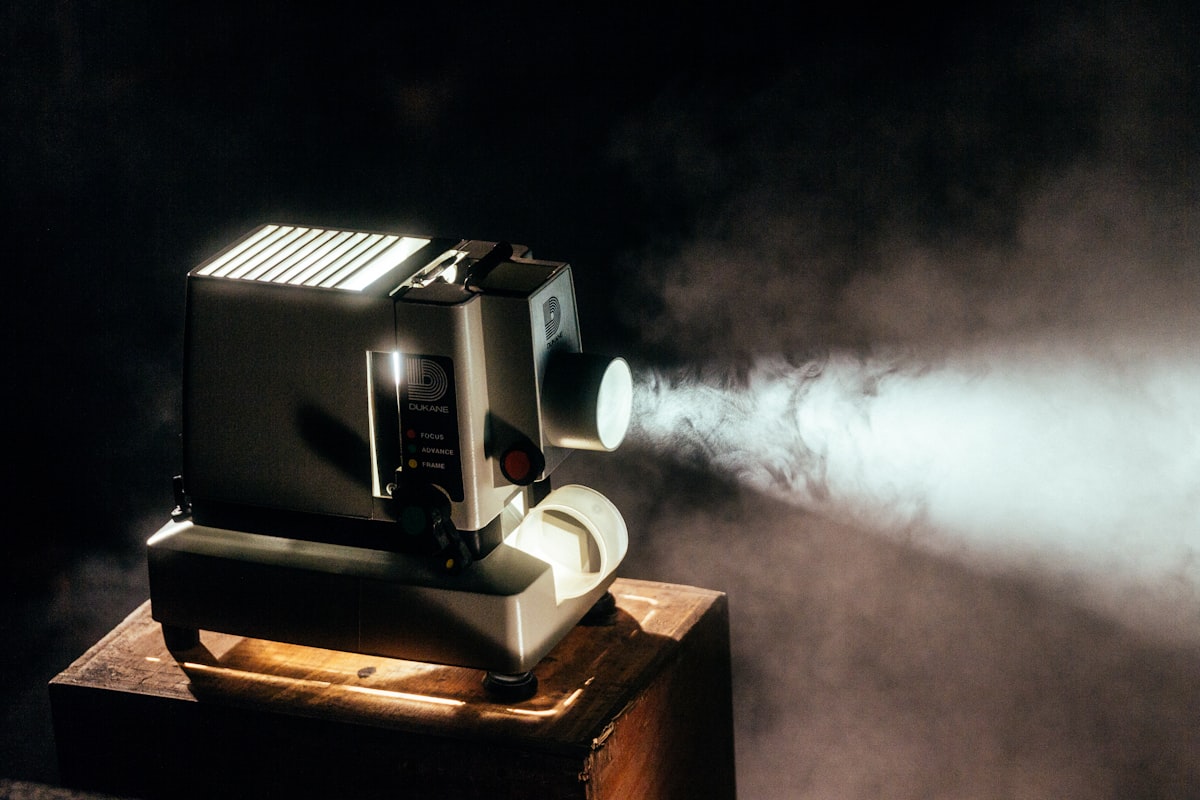
The projector-versus-TV debate has shifted dramatically in the last few years. TVs have gotten bigger and cheaper. Projectors have gotten brighter and sharper. The old rule of "projector for big screens, TV for everything else" still holds in broad strokes, but the details have changed enough that it is worth re-evaluating in 2026.
Here is an honest comparison of both options, including the things the marketing materials leave out.
The Screen Size Equation
This is still the projector's strongest argument. A 100-inch projected image costs roughly $1,000 to $2,500 depending on the projector. A 98-inch TV costs $3,000 to $8,000. At 120 inches and above, TVs either do not exist or cost as much as a used car.
If your target screen size is 85 inches or smaller, a TV is almost certainly the better choice. The image quality advantages (contrast, brightness, HDR performance) are substantial and the price gap has narrowed to the point where TVs often win on value.
If you want 100 inches or larger, a projector is the practical choice for most budgets. The cost-per-inch math favors projectors dramatically at these sizes.
The in-between zone (85 to 100 inches) is where the decision gets genuinely hard and depends on your room, budget, and priorities.
Rob's take
The math changes completely above 90 inches. Below that threshold, an OLED TV wins on contrast, convenience, and increasingly on price. Above it, projectors win on cost-per-inch by a factor that no TV manufacturer has closed. The sweet spot I keep recommending: 100-inch projector with an ALR screen in a light-controlled room costs half what a comparable flat panel would, looks more cinematic, and disappears completely when off.
Brightness and Ambient Light
This is the projector's biggest weakness and the area where TVs have pulled furthest ahead. A modern OLED TV produces 1,000 to 3,000+ nits of peak brightness. Even in a room flooded with sunlight, the image is easily visible and HDR highlights pop.
Projectors are measured in lumens, and the brightest consumer home theater projectors in 2026 top out around 3,000 to 3,500 lumens. That sounds like a lot, but spread across a 120-inch screen in a room with ambient light, it can look washed out. The image on a projector screen is reflected light, which means any light in the room competes directly with the projected image. The projector lumens calculator tells you exactly how many ANSI lumens you need for your screen size and room conditions.
For light-controlled rooms (blackout curtains, no windows, or a dedicated basement theater), a projector works beautifully. The image is immersive and cinematic in a way that a smaller TV simply cannot match.
For living rooms with windows, a TV wins on viewability. You can use it during the day without pulling curtains, and HDR content looks the way it was mastered. Some ALR (Ambient Light Rejecting) projector screens can help, but they add $500 to $2,000 to the cost and still cannot match a TV in a bright room.
Contrast and Black Levels
OLED TVs produce true black: the pixels turn off completely. The resulting contrast ratio is effectively infinite. In a dark room watching a space scene, the black of space looks like the TV is off in those areas. This is OLED's defining advantage and the reason it dominates the enthusiast market.
Projectors cannot match this. Even the best DLP and LCoS projectors produce a "dark gray" rather than true black, because the projector is always emitting some light onto the screen. The native contrast ratio of a good home theater projector (JVC DLA-NZ series, for example) is around 40,000:1 to 100,000:1. Impressive for a projector, but OLED's infinite contrast ratio is in a different league.
For bright, colorful content (daytime scenes, animation, sports), you will not notice the contrast gap. For dark, moody content (horror, noir, space films), the OLED TV delivers a visibly superior image in direct comparison.
The Projector Advantages Nobody Talks About
The projector camp has some advantages that get less attention than screen size:
Eye comfort: A projected image is reflected light, similar to reading a book. A TV is a direct light source aimed at your eyes. Many viewers find that multi-hour movie sessions are less fatiguing on a projector, especially in a dark room. This is subjective but widely reported.
Room aesthetics: When the projector is off, you have a blank screen or wall. A TV is a large black rectangle that dominates the room 24/7. For living spaces where the theater is not the primary function, a retractable screen or a projector with a painted wall can be more visually appealing when not in use.
The cinema experience: There is a psychological factor to watching on a truly large screen in a dark room. A 120-inch projected image in a blacked-out room feels like a cinema in a way that even a 77-inch OLED does not. If recreating the theater experience is the goal, projectors deliver it at a fraction of what a commercial cinema costs.
The Projector Disadvantages Nobody Talks About
And some downsides that projector evangelists gloss over:
Lamp/LED replacement: Traditional lamp-based projectors need a new lamp every 3,000 to 5,000 hours, costing $100 to $300. Laser projectors last 20,000+ hours but cost more upfront. Factor ongoing maintenance into the total cost of ownership.
Fan noise: Projectors have cooling fans. Quieter models run at 25 to 30 dB in their low-power modes, but cheaper projectors can hit 35 to 40 dB, noticeable during quiet dialogue scenes. If you are sensitive to noise, plan for a projector with a low-noise mode or mount it in a hush box.
Installation complexity: A TV mounts on the wall and you are done. A projector needs a ceiling mount (positioned precisely for your screen size), cable routing to the ceiling, a screen (fixed frame, pull-down, or motorized), and careful alignment to avoid keystone distortion. Budget an extra $500 to $1,500 for installation accessories beyond the projector itself. Use the projector throw calculator to verify your projector fits the room before you buy.
Gaming input lag: Gaming-focused TVs hit 5 to 10ms input lag. Most projectors are in the 15 to 50ms range. Competitive gamers will notice. Casual gamers likely will not, but it is a measurable disadvantage.
2026's Best Options at Each Size
Under 85 inches: Buy a TV
A 65 to 83-inch OLED (LG C6, Sony Bravia) or high-end Mini-LED (Samsung QN90D, TCL QM8) delivers better image quality than any projector at this size. Prices have dropped significantly. A 77-inch OLED is under $2,500 during sales.
100 to 120 inches: Buy a Projector
The Epson LS12000, BenQ HT4550i, and Hisense PX3-PRO ultra-short-throw are the 2026 standouts in the $2,000 to $4,000 range. For the true enthusiast, JVC's DLA-NZ7 and NZ8 deliver the best contrast in the projector world at $6,000 to $10,000.
85 to 100 inches: It Depends
This is the toss-up zone. A 98-inch TCL QM891G (around $3,500) offers TV-level image quality at projector-like sizes. A mid-range projector at 100 inches costs less but with trade-offs in brightness and contrast. Your room's light conditions and your budget will decide this one.
Planning Your Display Choice
The best display for your theater depends on your room dimensions, ambient light, seating distance, and what you primarily watch. CinemaConfig's viewing distance calculator helps you determine the optimal screen size, and the builder validates that your display connects properly to the rest of your signal chain, whether that display is a TV or a projector with an HDMI input.
Rob Teller
Founder, CinemaConfig
15 years in consumer hardware and software, mostly on the product side. NZXT (cases and cooling), Asetek (liquid cooling, global sales), a short run advising on Alienware's roadmap at Dell, then four ... More about Rob · Affiliate disclosure


