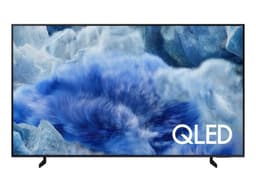
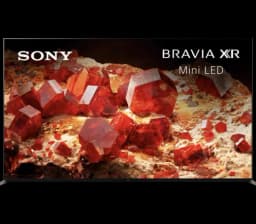
Samsung QN75Q8FAAFXZA vs Sony XR85X93L
Prices updated hourly. Check retailer for current availability.
Choosing between the Samsung QN75Q8FAAFXZA and Sony XR85X93L? Both compete in the TV segment. Here’s how they compare across the specs that matter most for your home theater.
Pricing for both models is currently unavailable. Check the retailer links below for current deals.
Looking at overall performance dimensions: The Samsung QN75Q8FAAFXZA scores higher in value, video quality, form factor, room fit, future-proofing. They score similarly in gaming performance, ease of use.
On the display side, screen sizes differ at 75" vs 85". OLED panels produce perfect blacks by turning pixels off entirely. QD-OLED adds a quantum dot layer for wider color. VA panels offer better contrast than IPS but narrower viewing angles. Mini-LED is a backlight technology applied to LCD panels, offering thousands of dimming zones for improved contrast. Bigger isn't always better — it depends on viewing distance. THX recommends a 36-degree viewing angle; SMPTE suggests 30 degrees minimum. Our viewing distance calculator helps find the sweet spot.
The Samsung QN75Q8FAAFXZA holds an advantage across more performance dimensions, but the Sony XR85X93L may still be the better pick depending on which specs matter most to your setup. See the detailed comparison table below for the full breakdown.
For most home theaters, the Samsung QN75Q8FAAFXZA is the stronger choice — it leads in 5 of 7 scored dimensions. The Sony XR85X93L makes more sense if budget is the primary constraint.
Performance Overview
Scores based on specs and category benchmarks (0–100 scale)
Samsung QN75Q8FAAFXZA
Sony 85" Class Bravia XR X93L Series Mini LED 4K UHD Smart Google TV, 85 Inch TVs
Detailed Specifications
| Specification | ||
|---|---|---|
| Price | N/A | N/A |
| Screen Size | 75" | 85" |
| Resolution | 4K | 4K |
| Panel Type | VA | VA |
| Backlight Type | direct-lit | mini-LED |
| Native Contrast Ratio | Dual LED | — |
| HDR Formats | HDR10, HLG | |
| Refresh Rate | 120Hz | 120Hz |
| VRR | Yes | Yes |
| VRR Type | FreeSync Premium | VRR |
| ALLM | Yes | Yes |
| Smart OS | Tizen | Google TV |
| Speaker Config | — | 2.2 |
| Dolby Atmos (Speakers) | No | No |
| HDMI Total Ports | 4 | 5 |
| HDMI 2.1 Ports | 4 | 0 |
| eARC Port | No | Yes |
| VESA Pattern | 400x400 | 400x400 |
| Processor | Q4 AI Processor | Cognitive Processor XR |
| Model Year | — | — |
Key Differences
- Depth (w/ Stand): Samsung QN75Q8FAAFXZA at 1" vs Sony XR85X93L at 17.75"
- Series Name: Samsung QN75Q8FAAFXZA at Q8F vs Sony XR85X93L at X93L
- HDR Formats: Samsung QN75Q8FAAFXZA at HDR10, HLG vs Sony XR85X93L at . Dolby Vision adds dynamic metadata that adjusts brightness scene-by-scene. HDR10 is the baseline. HDR10+ is Samsung's alternative to Dolby Vision.
- Smart OS: Samsung QN75Q8FAAFXZA at Tizen vs Sony XR85X93L at Google TV
- Power (Typical): Samsung QN75Q8FAAFXZA at 220W vs Sony XR85X93L at 495W
Which Should You Choose?
Choose Samsung QN75Q8FAAFXZA if you want:
- + better hdmi 2.1 ports — hDMI 2
- + better depth (w/ stand)
- + lighter weight for easier placement
- + lighter weight for easier placement
Choose Sony XR85X93L if you want:
- + larger 85" screen for more immersive viewing
- + better native refresh rate
- + better hdmi total ports
See Where These Rank
Check our editorial rankings to see how Samsung QN75Q8FAAFXZA and Sony XR85X93L compare to the rest of the field.
Best TV RankingsRelated Calculators
Specifications sourced from manufacturer datasheets and verified against retailer listings. Prices updated hourly from authorized retailers. Scoring uses our open methodology — products are never ranked, promoted, or suppressed based on affiliate commission rates.
Related Comparisons


CinemaConfig may receive compensation for purchases made at participating retailers linked on this site. This compensation does not affect what products or prices are displayed, or the order of prices listed. See our affiliate disclosure.