The Best Optical & Coaxial Digital Audio Cables (2026): Buy Cheap, Here's Why
Buy the Monoprice Premium S/PDIF TOSLINK ($10 for 6ft) or a Blue Jeans Cable Belden 1694A 75-ohm coax (around $22 for 3ft), connect it, stop thinking about it. Digital cables in this category are a bits-arrive-or-they-don't path, and any cable that meets spec carries the same content as one that costs thirty times more.
The thing to internalize about TOSLINK and S/PDIF coax in 2026 is what they can and can't do. Both carry stereo PCM up to 24-bit / 192 kHz and compressed 5.1 surround (Dolby Digital, DTS). Neither carries Dolby Atmos or DTS:X. Neither carries Dolby TrueHD or DTS-HD Master Audio from a 4K disc. If you want object-based height channels on a 2026 movie, you need HDMI eARC, not optical and not coax. This is the spec ceiling. Cable price has zero effect on it. Within that ceiling, the question is which physical layer to use. Optical is glass or plastic fiber carrying light pulses, which means it is fully immune to ground loop hum and unaffected by anything electrical in the wall behind it. Useful when your TV's HDMI ARC link is buggy and injecting noise, or when the rack and the display are on different circuits. Coax is a 75-ohm RCA cable carrying an electrical S/PDIF signal, slightly higher bandwidth ceiling on paper, and the better choice when you're going past 5 meters with plastic-fiber TOSLINK. In practice, under 6 feet, the two formats are interchangeable. Where cable quality starts to matter is the connector body (does the TOSLINK plug stay seated after fifty disconnect cycles, does the RCA shell grip the chassis), and on coax runs past 10 feet, whether the cable holds true 75-ohm impedance. That's it. Everything beyond that on a $300 AudioQuest Carbon Coax is paying for cosmetic consistency across a multi-cable rack, not for measurable signal.
Picks below split by what you actually need. The Monoprice and Blue Jeans entries are the default answer for almost everyone. The AudioQuest Pearl Optical exists for buyers who want a brand-tiered cable kit. The AudioQuest Cinnamon Coax sits at the top of what we'd consider rational spending in this category, and we'll be honest about why even that pick is more about install consistency than audible difference.
How We Score
We score digital audio cables on connector durability over plug cycles (TOSLINK lens scratches and RCA shell loosening are the real failure modes), impedance accuracy on coax (75-ohm tolerance matters on long runs, otherwise reflections cause jitter at the DAC), fiber type on optical (plastic POF is fine to 5 meters, glass holds spec further), and price-per-foot relative to the cheapest certified cable that hits the same spec. What we explicitly don't score: claimed conductor metallurgy, dielectric purity, noise-dissipation jackets on a fully optical cable, and any vendor claim that a digital cable changes the timbre of the audio. These claims aren't measurable in any controlled test we trust, and pretending otherwise would insult the reader. The category's honest framing is install-grade vs. retail-grade construction, not audiophile-grade vs. consumer-grade signal.
What you get at each price point
Digital audio cable pricing ladders into three meaningful bands. Most readers should stop at the first one.
$10–$25The right answer for almost everyone
A 6-foot Monoprice Premium TOSLINK ($10) or a Blue Jeans Cable Belden 1694A 3-foot coax (around $22). Certified spec, real metal connectors, mesh jacket on the TOSLINK. Carries every format optical and coax can carry. Adding price past this tier buys cosmetics and warranty paperwork, not signal improvement.
$30–$80Brand-matched entry tier
AudioQuest Pearl Optical and AudioQuest Forest Coax ($49.95) sit here. If you're building out a rack where every other cable in the system is an AudioQuest tier (HDMI Forest, Type 4 speaker, etc.), this is the digital cable that visually and warranty-wise matches the kit. The signal is identical to the Monoprice. The connector is slightly nicer.
$100–$330Where rational spending ends
The AudioQuest Cinnamon Coax and Carbon Coax (around $325 MSRP at 1m) live here, with claims about Solid Perfect-Surface Copper+ conductors. At 1 meter and 75-ohm spec, this is brand-tier consistency for a high-end rack, not measurable signal. Past this tier ($500+ McIntosh CDA2M, Pangea Premier XL) you're paying for chassis-matched cosmetics. Be honest with yourself about what you're buying.
Best OverallScore: 0/100
AudioQuest
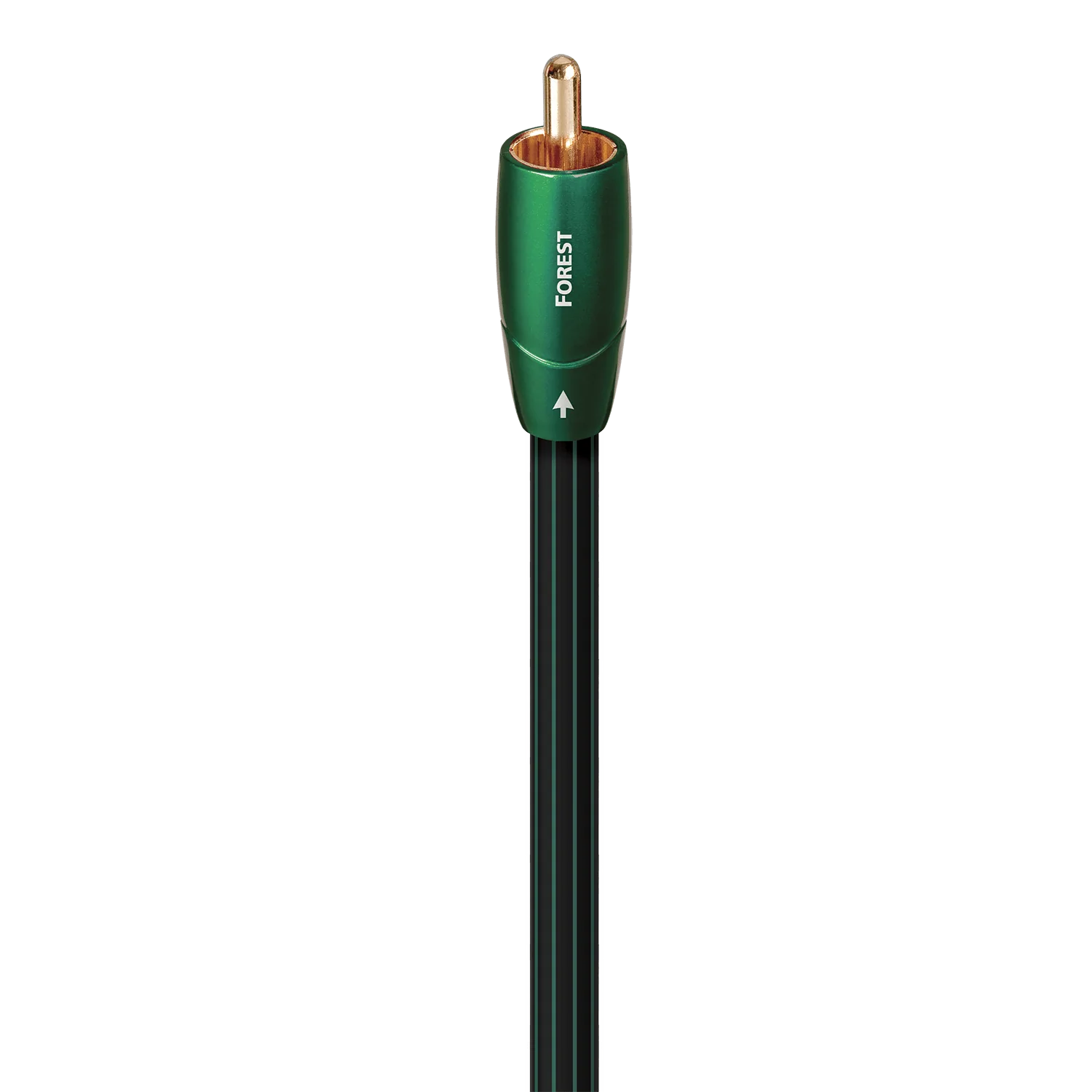
Forest Coax
The AudioQuest Forest Coax earns our top pick in this category at $49.95.
The Forest Coax is AudioQuest's entry 75-ohm coaxial digital cable, with Long-Grain Copper conductors and a precise 75-ohm impedance match for clean digital audio transmission. At any reasonable run length, the cable's job is bandwidth-correct delivery of digital audio bits (S/PDIF). Failure mode is impedance mismatch from a poorly-terminated connector or shield damage from cable flex, not signal degradation. The comparison at this tier is the Blue Jeans Cable RCA Digital and the Mediabridge Premier Series, both of which carry similar 75-ohm impedance specs for less. The Forest Coax is fine; cheaper alternatives are too.
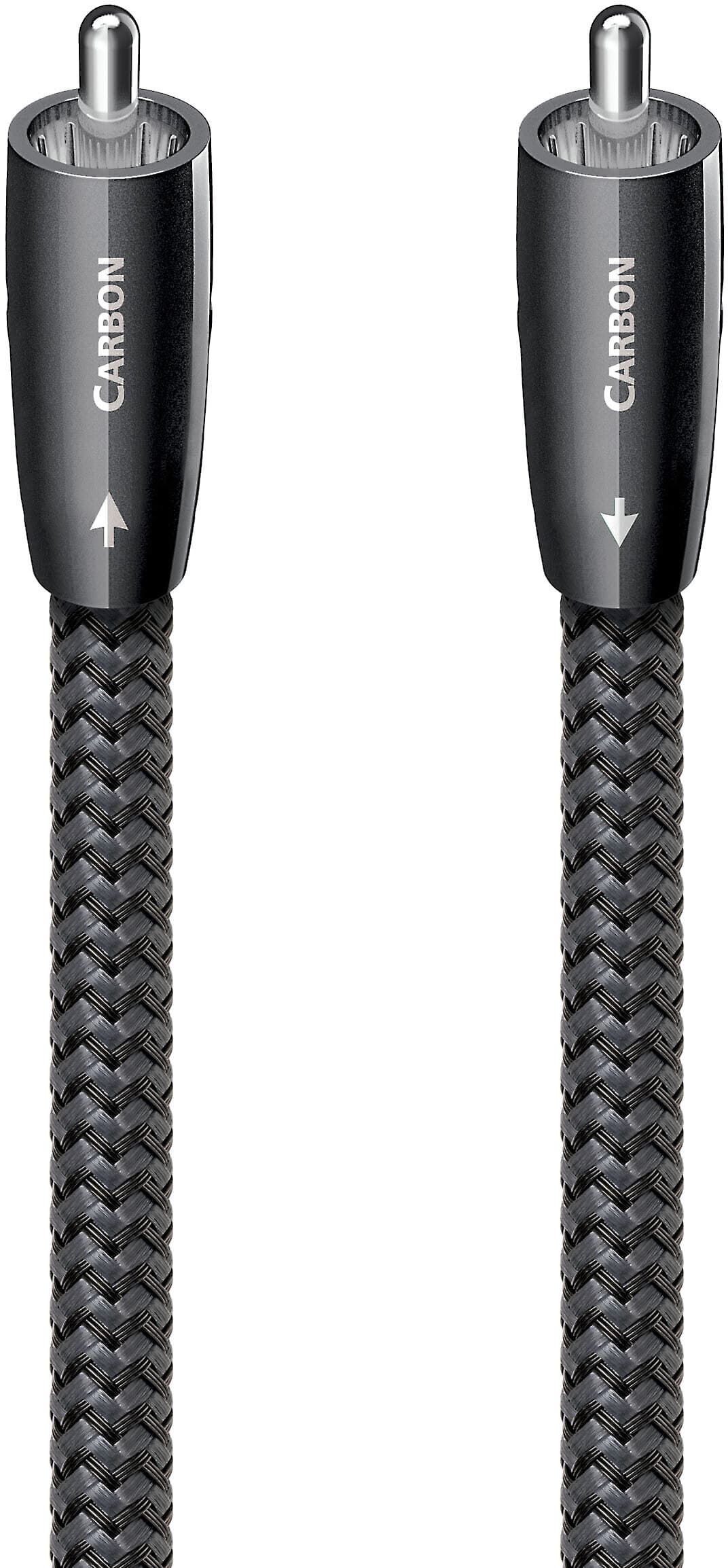
For the best bang for your buck, the AudioQuest CARBON 3.3FT stands out in this category at $324.95.
The Carbon Coax is AudioQuest's mid-tier 75-ohm coaxial digital cable, with Solid Long-Grain Copper conductors and a precision 75-ohm impedance match. At 3.3 feet any certified 75-ohm digital cable delivers bits cleanly; the Carbon's pitch is the connector body and the dielectric purity that AudioQuest publishes against the cheaper Forest and Cinnamon Coax. The honest framing: at digital S/PDIF signal type, the bits arrive cleanly across all tiers under spec conditions, and the audible difference between tiers in controlled listening is rarely demonstrable. The Carbon's value is system tier consistency, not measurable signal performance.
The Ethereal MHX-T-5 1.6FT proves you don't need to break the bank in this category at $11.99.
The MHX-T5 short-run is for tight rack interconnects between stacked components. At 1.6 feet impedance match is mostly insurance; even a marginal generic cable produces no audible artifacts at this length. The buy reason is rack tidiness and connector quality. The honest comparison is a $10 generic 75-ohm cable at this length, which works identically.
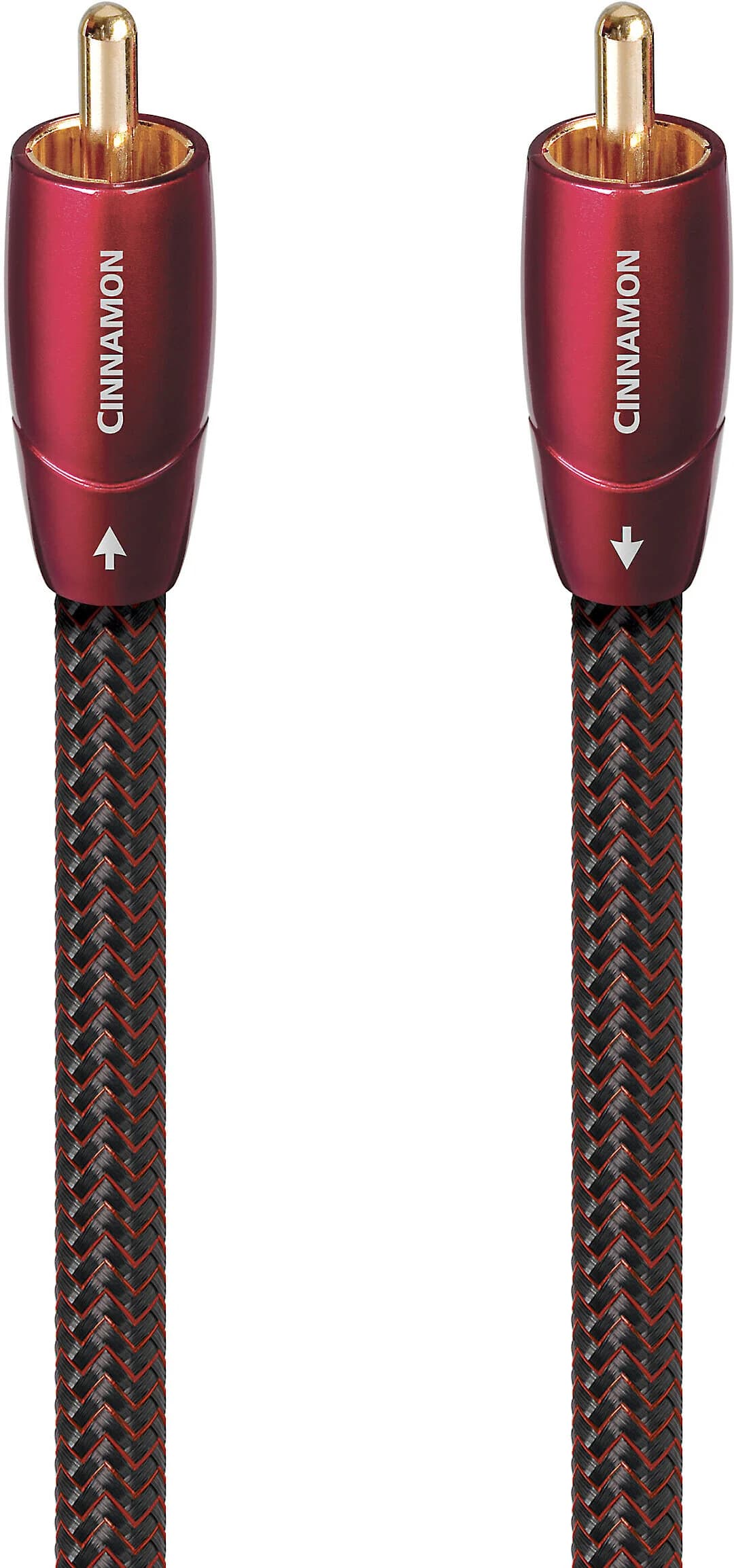
The AudioQuest CINNAMON 4.9FT represents the pinnacle in this category.
The 4.9-foot Cinnamon Optical is the third-tier short-run TosLink in AudioQuest's optical line, with silver-plated optical interface (where it differs from the Pearl and Forest entry/mid tiers) and the standard TosLink connector body. At 4.9 feet the optical fiber loses essentially zero signal; the cable's job is the connector lens protection over plug-cycles and the AudioQuest brand-tier consistency. The realistic comparison is the Cable Matters TosLink and the Monoprice Premium Optical; on signal performance any certified TosLink delivers identical bits at the destination. The Cinnamon's pitch is the connector quality and the in-system AudioQuest tier consistency, not measurable signal advantage.
Trade-off: The AudioQuest Cinnamon Coax is a $325 cable that does the same electrical job as a $25 Belden 1694A build. We'd recommend it in two scenarios: you're matching it to existing AudioQuest cables across the rack and the cosmetic consistency genuinely matters to you, or your dealer is including it in a package and the per-cable upcharge is small. Buying it standalone, at MSRP, for a signal performance reason, is the diminishing-return zone where the marketing claim outpaces any measurement we've seen.
No. Neither TOSLINK nor S/PDIF coax has the bandwidth for Atmos or DTS:X, and neither carries Dolby TrueHD or DTS-HD Master Audio from a 4K Blu-ray. Both formats max out at compressed 5.1 surround (Dolby Digital, DTS) and stereo PCM up to 24-bit / 192 kHz. If you want Atmos, you need HDMI eARC between your TV and your soundbar or AVR.
Is there an audible difference between a $10 optical cable and a $300 one?
In any controlled listening test we trust, no. Digital cables either pass the bitstream correctly or they don't, and once the bits arrive at the DAC, the DAC's analog stage dominates everything you hear. The case for a higher-tier cable is connector durability over many plug cycles, brand consistency across a multi-cable install, and dealer warranty paperwork. Not signal performance. Anyone selling you a digital cable on sonic upgrade terms is selling you a story, not engineering.
Should I use optical or coaxial for my soundbar?
If your TV has eARC, use HDMI instead and skip both. If it doesn't, optical is usually the simpler answer because it's immune to ground loop hum from the wall outlets, which is a real problem in some rooms with TV and AVR on different circuits. Coax has a slightly higher bandwidth ceiling on paper but no practical advantage on the content these formats actually carry. Pick whichever connection your TV and bar both have.
How long can a TOSLINK cable be before it stops working?
Plastic-fiber TOSLINK is rated to roughly 5 meters with comfortable margin and can hit 10 meters with a low-loss cable. Glass-core TOSLINK pushes that to 15 meters or so. Past 15 meters, switch to a different physical layer (HDMI eARC over a fiber HDMI extender, or AES/EBU balanced if you have professional gear). The Forest Optical at 12 meters from AudioQuest is functional in some setups and fails in others, so test before committing to a permanent install behind a wall.
Does 75-ohm impedance matter on a coaxial digital cable?
Yes, but mostly on long runs. S/PDIF expects a 75-ohm transmission line, and a cable that drifts from that spec causes reflections at the connector, which the DAC sees as jitter. Under 5 feet, even a marginal cable produces no audible artifact. Past 10 feet, true 75-ohm matters for hi-res signals. The Belden 1694A is the standard the broadcast industry uses for SDI video at much higher bitrates, so on S/PDIF audio it has enormous headroom.
Why is my TV's HDMI ARC dropping out and would optical fix it?
HDMI ARC handshake bugs are common, especially between older TVs and current-year soundbars. Optical bypasses the handshake entirely because it's a one-way digital audio link with no HDMI-CEC dependency. The trade-off is that you lose Atmos, lose volume control over HDMI-CEC, and lose lip-sync metadata. For a buggy ARC link where the TV is older than 2020, optical is often the most reliable workaround. For Atmos content, you'll need to source Atmos directly to the bar via its own HDMI input.
We haven't measured jitter at the DAC across these cables in-house. The 75-ohm impedance and bit-accurate-delivery claims rely on Belden's published spec sheets for 1694A and AudioQuest's product pages for the Cinnamon and Forest tiers. We're confident in the broad claim (every certified cable in this category passes the same content), and skeptical of any specific audible difference at a coax run under 5 meters. If you're going past 30 feet on coax for a permanent install, switch to AES/EBU balanced XLR if both ends support it, because that's a different physical layer with proper engineering for long runs.
The category is slowly disappearing. Every AVR refresh since 2020 has shipped eARC as the primary digital audio path from TV back to bar or processor, and optical and coax are now the backup when eARC handshake fails or when the TV is too old to carry Atmos through ARC. We expect to keep recommending the same $10 Monoprice for another five years, because there's nothing left for cable engineering to improve at this end of the chain.
CinemaConfig may receive compensation for purchases made at participating retailers linked on this site. This compensation does not affect what products or prices are displayed, or the order of prices listed. See our affiliate disclosure.