The Best Power Amplifiers for Home Theater and 2-Channel (2026)
The category splits cleanly. On one side: multichannel power amps that hang off an AVR or pre/pro pre-out, where the only question is how many watts you actually get with every channel pulling at once. On the other: 2-channel integrateds for music, where DAC quality, input flexibility, and amplifier class matter more than raw power. We cover both, because the same shopper often owns both problems.
One thing we'll commit on up front. Class D is not a budget compromise anymore. The Hypex NCore module inside the Cambridge Audio Evo 150 ($3,249) and the Purifi Eigentakt modules in NAD and March Audio gear measure as well as or better than Class AB at any price point we'd recommend. The audiophile forum argument that Class D "sounds clinical" is mostly people defending five-figure Class A amps they already bought. Modern Class D is the right pick for most rooms, most speakers, and most budgets, and we'll defend that below.
How We Score
What you get at each price point
- $500–$1,000Adding power to a stretched AVRThe BasX A-3+ at $799 takes the front three channels off the AVR's onboard amps and lets the receiver coast on surrounds and heights. The marginal benefit is real on inefficient speakers (anything below 88 dB sensitivity) and large rooms; on Klipsch Heritage with 100+ dB sensitivity, the AVR was probably fine.
- $1,500–$2,500One chassis, all 5 channels, no compromise on wattageThe Emotiva XPA-5 Gen3 ($2,249) lands here and is the structural answer to "I want my AVR to be a pre/pro and I'm done worrying about power." 250W into 8 ohms with all 5 channels driven is more amp than 95% of home theater rooms can use.
- $2,500–$5,000Serious separates, or a streaming integrated that does everythingThe XPA-7 Gen3 ($2,749) for a 7-channel separates build, or the Evo 150 ($3,249) if you're consolidating a streamer, DAC, and integrated into one box. Different problems, same money.
- $5,000+The point where you're paying for chassis and brandMcIntosh MC257 5-channel ($13,000), MC312 stereo ($8,500), Pass Labs, Bryston, Mark Levinson. The measured-performance gap to an Emotiva or Hypex-based amp is small or absent. You're buying meters, autoformers, and a 20-year resale market. That's a legitimate purchase, just be honest about what's driving it.
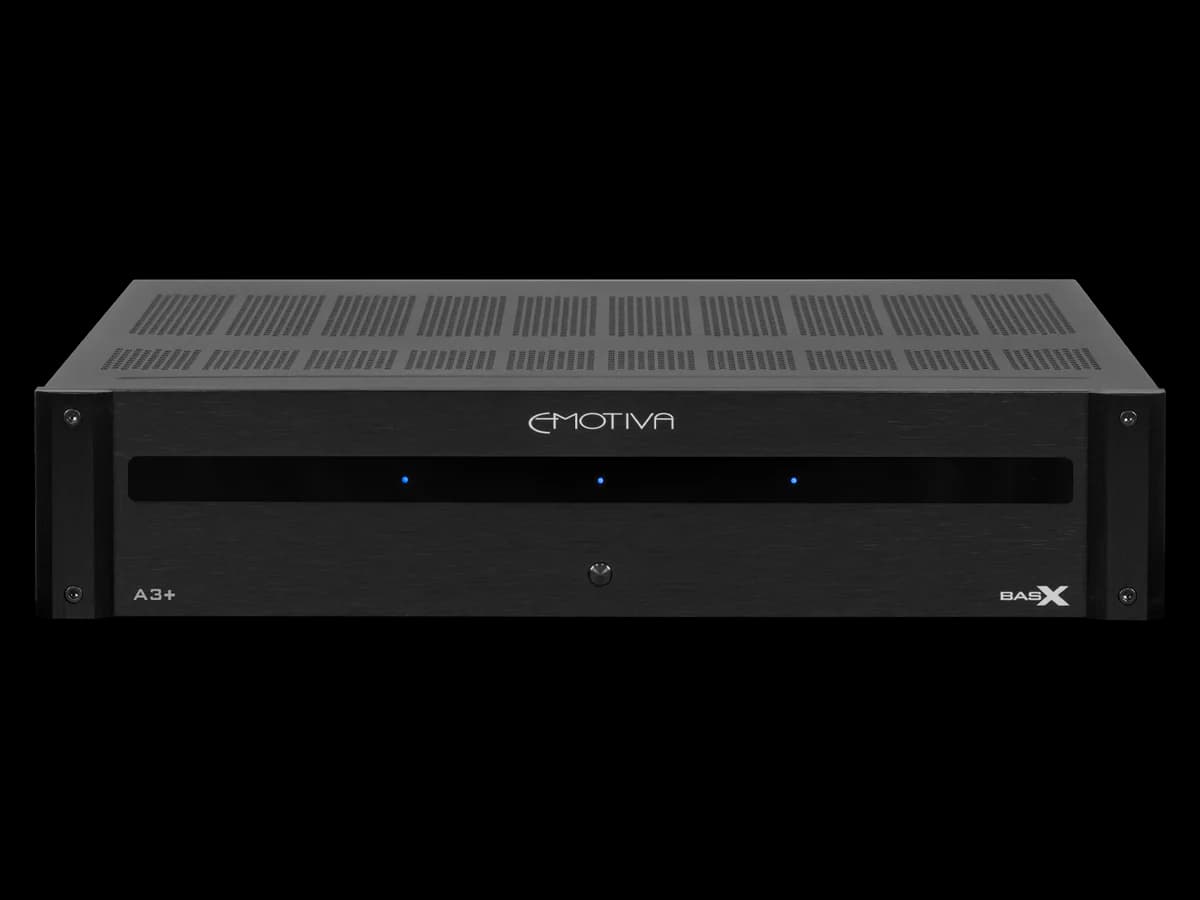
Emotiva
BASX-A3+
The Emotiva BASX-A3+ earns our top pick in this category at $799. The BasX A-3+ is the 3-channel BasX, the dedicated L/C/R amp for installs where the front three channels need real wattage that an entry AVR can't deliver. Class A/B output, balanced XLR plus RCA inputs, 12V trigger; the architectural use case is AVR pre-out feeding the BasX A-3+ for fronts plus center, with the AVR's onboard amplification handling surrounds and heights. At its tier cross-shop is the Outlaw Audio Model 5000 (5-channel sibling at higher cost) and the Anthem MCA 325; the Emotiva buy reason holds on watt-per-dollar across the BasX line.
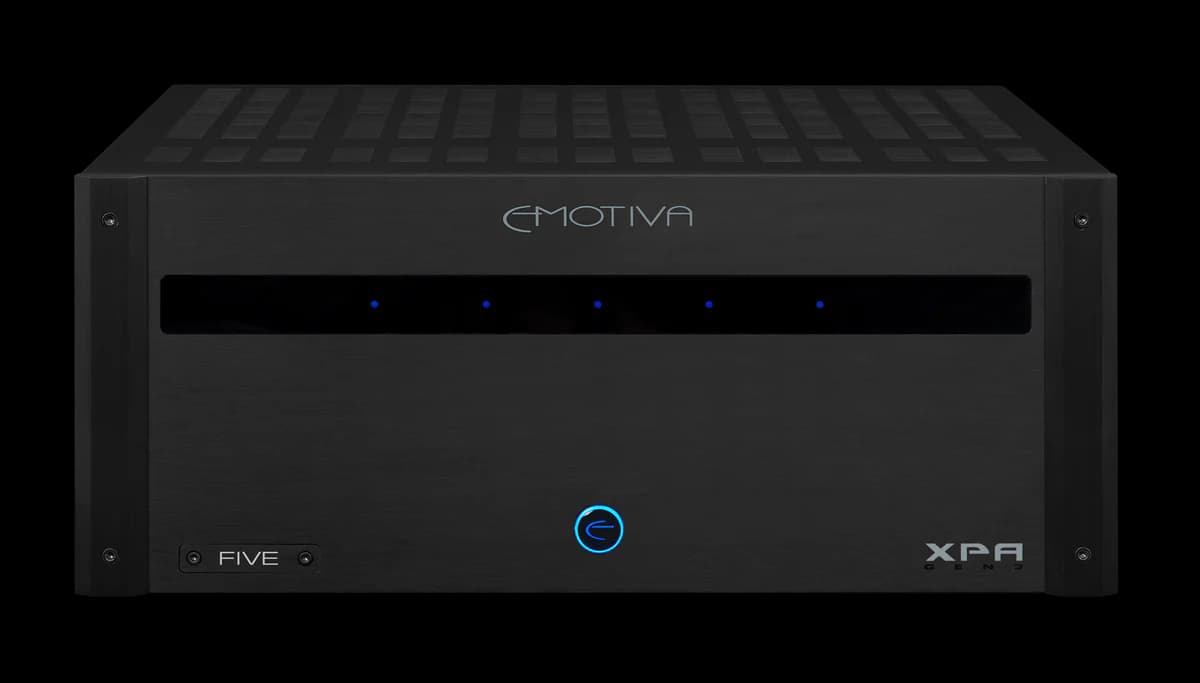
Emotiva
XPA-5
For the best bang for your buck, the Emotiva XPA-5 stands out in this category at $2,249. The XPA-5 is the 5-channel Gen3 modular, the high-power 5-channel for 5.1 installs that don't yet need height-channel amplification. Gen3 modularity lets the chassis grow to 7-channel later by adding cards, which is the architectural buy reason over a non-modular Anthem MCA 525. Cross-shop at this tier is the Anthem MCA 525 and the Parasound Halo A 51 at multiples of the price. The Emotiva watt-per-dollar argument holds across the XPA Gen3 line; the trade-off versus the BasX A-6 or A-7 is the meaningful headroom step on each channel for difficult-load speakers and reference-level mixing.
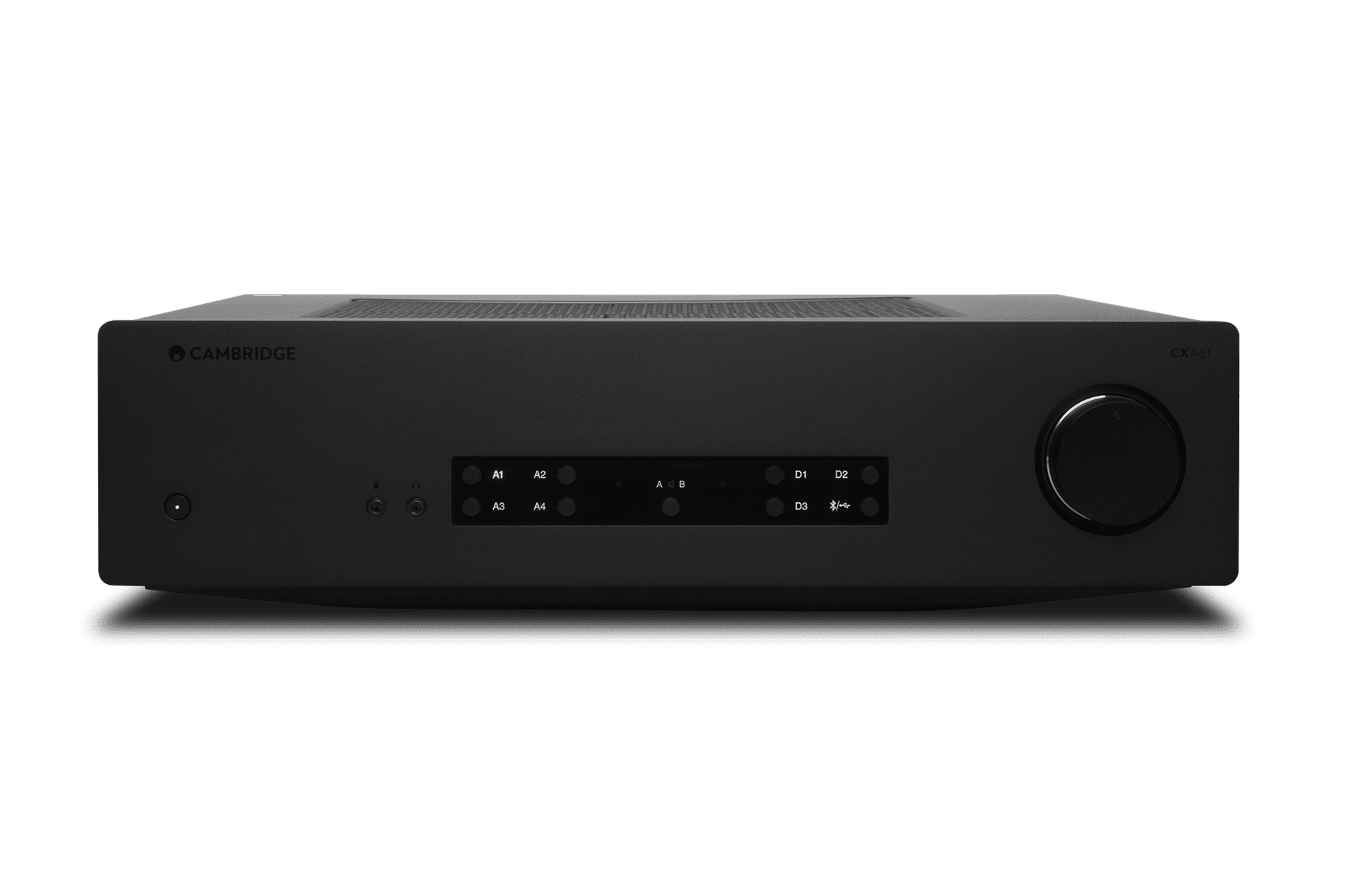
Cambridge Audio
CXA61
The Cambridge Audio CXA61 proves you don't need to break the bank in this category at $999. The CXA61 is the current 60 W Cambridge integrated, the Class AB amp with the ESS Sabre ES9010K2M DAC built in plus Bluetooth aptX HD support. 60 W per channel into 8 Ω, 90 W into 4 Ω, no balanced XLR, no phono input. At ~$1,200 it competes with the Marantz PM7000N, the NAD C 316BEE V2, the Yamaha A-S701, and the Arcam A5+; the Cambridge buy reason is the integrated ESS Sabre DAC that handles digital sources without an outboard converter, the trade-off versus the Marantz PM7000N is the missing built-in network streaming. Spec the CXA61 when the system has a digital source like a CD player or streamer with digital out and a phono stage isn't needed.
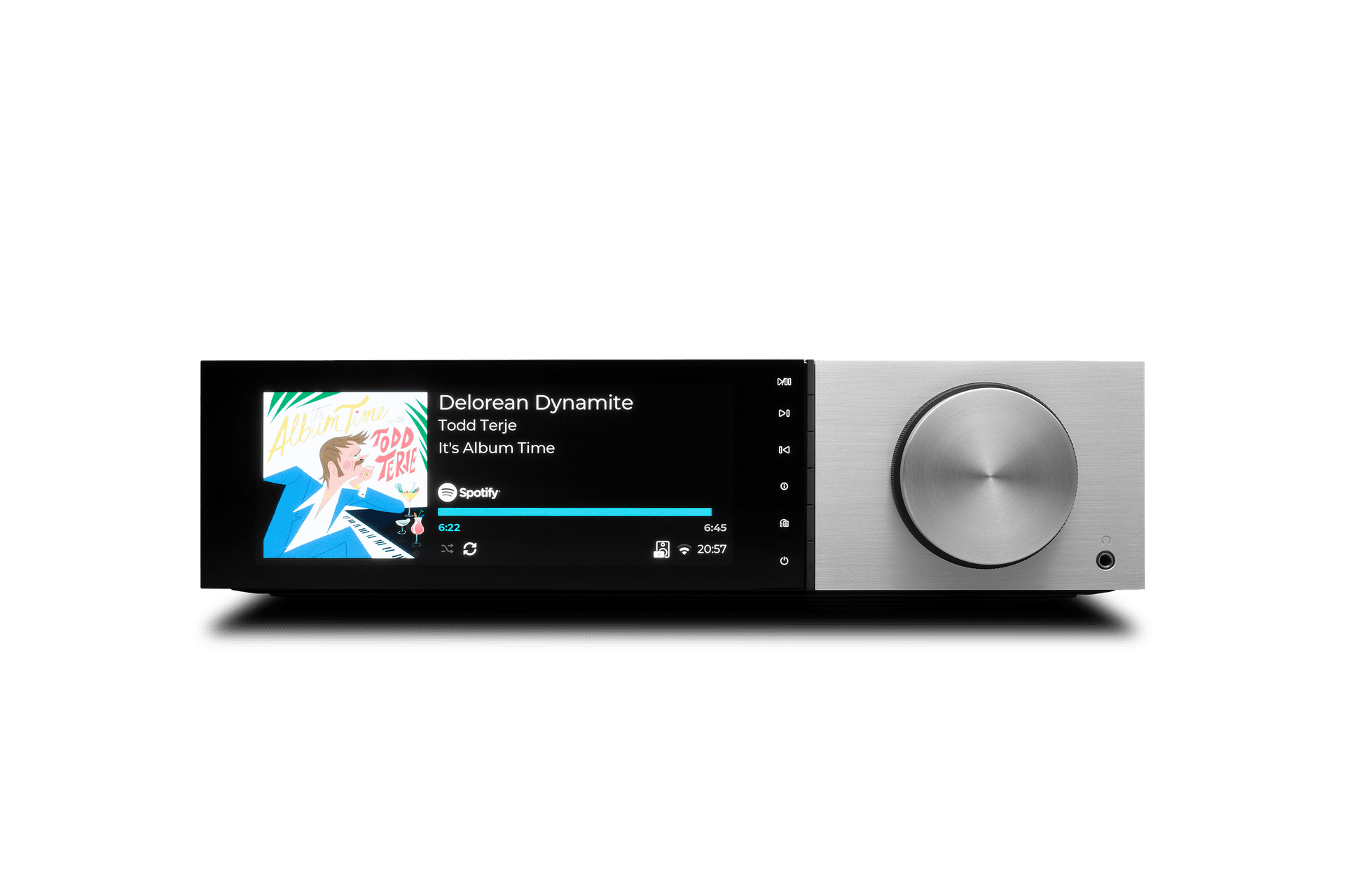
Cambridge Audio
EVO-150
The Cambridge Audio EVO-150 represents the pinnacle in this category at $3,249. The Evo 150 is Cambridge Audio's flagship all-in-one streaming integrated, the Class D Hypex NCore amp with built-in network streaming (AirPlay 2, Chromecast, MQA support) plus Bluetooth and balanced XLR. 150 W per channel into 8 Ω, no phono stage onboard (the optional MM phono module is sold separately). At ~$3,000 it competes with the NAD M10 V2, the Naim Uniti Atom, and the Marantz Model 40n; the Cambridge buy reason is the Hypex NCore Class D efficiency in a streaming integrated plus the network stack, the trade-off versus the AB Edge A is the Class D topology that the audiophile market debates against the Class A/AB sonic-purity argument. Spec the Evo 150 when streaming and chassis count matter.
Frequently Asked Questions
Do I need a separate power amplifier if I already have an AVR?
What does "all channels driven" actually mean for amplifier wattage?
Is Class D amplification as good as Class AB for music?
What's the difference between an integrated amplifier and a power amplifier?
Are external power amps worth it for Atmos heights and surrounds?
Compare These Picks
CinemaConfig may receive compensation for purchases made at participating retailers linked on this site. This compensation does not affect what products or prices are displayed, or the order of prices listed. See our affiliate disclosure.